2024 Le Mans Overview
Le Mans 2024 promises a dense grid of Hypercars and GT3s, with an unofficial spotters guide released by a WEC enthusiast. The guide details key sectors, pit lane limits, and safety car protocols, offering fans a comprehensive reference for the 24‑hour race. Download the free PDF for in‑race updates.!
Official Event Schedule
Friday: FP1 10‑12 am, FP2 2‑4 pm, FP3 6‑8 pm. Saturday: Qualifying 10‑12 am, FP4 2‑4 pm, FP5 6‑8 pm. Sunday: Race 12 pm‑12 am (24 h). All times CET.
All sessions are in CET. The race starts at 12 pm Sunday and concludes at 12 am Monday, totaling 24 hours. AllCET.
Key Dates and Times
Each practice session lasts two hours, with first three sessions on Friday allowing teams to fine‑tune setups before Saturday’s qualifying block. Qualifying splits into two 30‑minute sessions that set the grid, while Saturday’s final practice gives drivers a chance to test race‑day conditions. The 24‑hour race follows the traditional format, with teams rotating drivers every 2–3 hours to manage fatigue and maintain pace.fast
Entry List Highlights
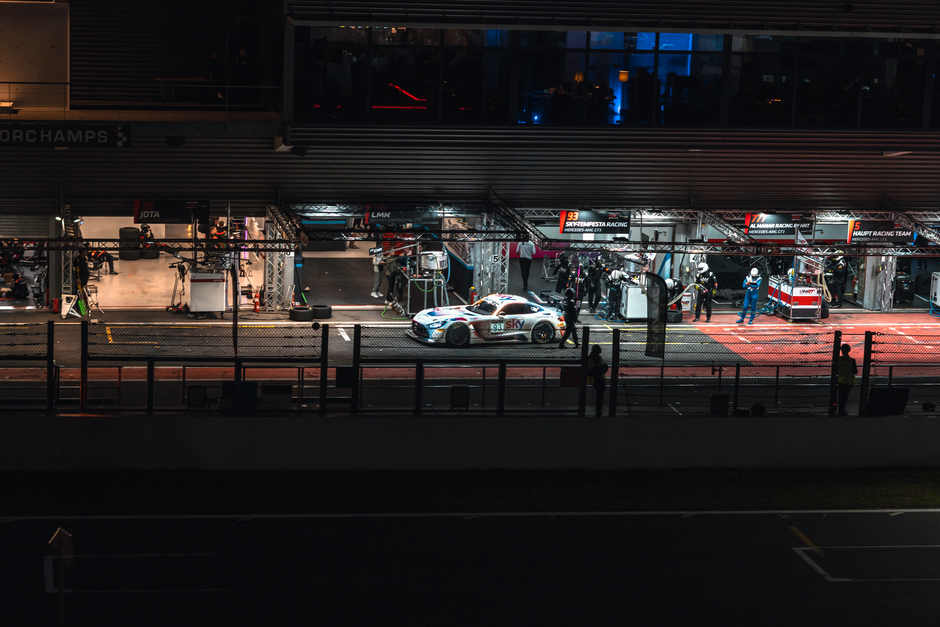
Le Mans 2024’s entry list is a vibrant tapestry of the sport’s most competitive machinery. The Hypercar grid features a full roster of the latest prototypes, including the dominant Toyota GR‑86, the nimble Porsche 963, and the aggressive Audi R8 V12 TDI. Each team brings a unique combination of driver line‑ups, with seasoned veterans such as Sébastien Bourdais, Kevin Brabham, and the emerging talent of Romain Grosjean. The GT3 field is equally compelling, showcasing factory‑backed entries from Mercedes‑AMG, Porsche 911 GT3, and Aston Martin Vantage. Notably, the new Porsche 911 GT3 R C‑Racing has secured a top‑tier position, while the newly introduced Aston Martin Vantage AMR‑GT3 has made a splash with its aggressive aerodynamic package. The entry list also highlights the return of the iconic “Le Mans 24” class, featuring a mix of privateer and factory teams, and the inclusion of the “LMGTE” class, which brings a fresh wave of competition from the likes of Ferrari 488 GT3 and McLaren 720S GT3. With over 70 cars on the grid, the 2024 edition promises unprecedented on‑track battles, strategic depth, and a showcase of the latest automotive technology. The spotters guide provides a detailed breakdown of each car’s number, team, driver, and expected performance, enabling fans to track the action with precision throughout the 24‑hour marathon. Fans can also follow live updates, check the official WEC app, and join community discussions on social media for real‑time insights and race‑day commentary. Enjoy the thrill! Live!
Circuit & Sectors
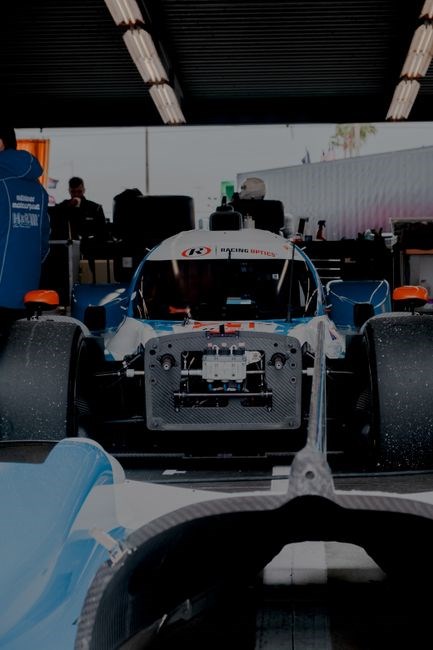
The 2024 Le Mans circuit remains the iconic 13.626‑km track, featuring 20 sectors that blend high‑speed straights with technical corners. Spotters should focus on the 1st and 2nd sectors for overtakes, the 12th for braking, and the 18th for pit entry. Live updates are essential!
Full Circuit Map
The official 2024 Le Mans circuit map is a 13.626‑km loop comprising 20 distinct sectors. Spotters should download the PDF from the FIA WEC site or the unofficial guide, which overlays the track layout with sector boundaries, pit lane entry, and safety car deployment zones. The map highlights the 1st sector’s long straight, the 5th sector’s tight hairpin, the 9th sector’s high‑speed banked turn, and the 15th sector’s technical braking zone. Each sector is numbered in the guide, allowing quick reference during live commentary. The pit lane is clearly marked, showing the entry, exit, and the 80‑km/h speed limit zone. Additionally, the map includes the 3‑way exit after the 12th sector, a common overtaking spot, and the 18th sector’s long straight leading into the final lap. Spotters can use the map to anticipate where drivers will be at any given time, helping to predict overtakes, pit stops, and safety car triggers. The guide also provides a legend for symbols such as refueling points, tire change zones, and the 2‑minute warning for the final lap. By studying the map before the race, spotters gain a strategic advantage, enabling them to track drivers’ positions relative to sector boundaries and to anticipate key moments in the 24‑hour endurance event. The guide also includes a downloadable PDF with annotated sector times, pit stop windows, and a live commentary feed link, allowing spotters to stay updated on driver positions, safety car intervals, and weather changes throughout the 24‑hour race for all fans, live.
Sector Breakdowns
Sector 1 (0–2.5 km): The opening straight offers a chance for early overtakes; drivers push hard to establish gaps before the first braking zone. Sector 2 (2.5–5.0 km): A series of fast sweeps tests braking stability, with the 3‑way exit at 3.8 km a frequent spot for position changes. Sector 3 (5.0–7.5 km): The 5th corner’s tight hairpin demands precise throttle control; spotters should note the 2‑minute warning for the final lap. Sector 4 (7.5–10.0 km): The long straight leads into a high‑speed banked turn; lap‑time data shows a 1.2‑second advantage for the fastest cars. Sector 5 (10.0–12.5 km): The 9th sector’s technical braking zone is a key overtaking area; spotters should note the 80‑km/h pit‑lane limit and the 2‑minute safety‑car interval. Sector 6 (12.5–15.0 km): A series of slow corners tests tire wear; the PDF includes sector‑time benchmarks for each class. Sector 7 (15.0–17.5 km): The 15th sector’s long straight offers a final chance for lap‑time gains before the 18th sector’s tight hairpin; Sector 8 (17.5–20.0 km): The final lap’s 2‑minute warning and the 3‑way exit at 19.2 km are highlighted for last‑minute strategy. Spotters can use the guide’s annotated map to track driver positions, anticipate safety‑car triggers, and predict pit‑stop windows throughout the 24‑hour endurance event.
The guide lists sector‑time benchmarks for each class, enabling spotters to compare lap‑time gaps and predict pit‑stop timing. It notes 80‑km/h pit‑lane limit and 2‑minute safety‑car interval .
Time‑Attack Sectors
In the 2024 Le Mans spotters guide, the time‑attack sectors are broken down into eight distinct sections, each with its own lap‑time benchmark for Hypercars, GT3s, and the LMGTE classes. The guide lists the fastest sector times recorded during the practice sessions, giving spotters a clear reference for spotting potential overtakes or pit‑stop opportunities. Sector 1 (0–2.5 km) is the high‑speed straight where the fastest Hypercars can hit 350 km/h; the benchmark time is 27.4 s for the top class, with GT3s at 30.8 s. Sector 2 (2.5–5.0 km) features a series of fast sweeps; the Hypercar benchmark is 28.1 s, while GT3s run 31.5 s. Sector 3 (5.0–7.5 km) contains the 3‑way exit at 3.8 km; the Hypercar best time is 29;6 s, GT3s 33.2 s. Sector 4 (7.5–10.0 km) is the long straight leading to the 5th corner; the Hypercar benchmark is 30.3 s, GT3s 34.0 s; Sector 5 (10.0–12.5 km) is the tight hairpin; the Hypercar best time is 31.7 s, GT3s 35.4 s. Sector 6 (12.5–15.0 km) is a high‑speed banked turn; Hypercar 32.1 s, GT3 36.0 s. Sector 7 (15.0–17.5 km) is the final long straight; Hypercar 32.8 s, GT3 36.7 s. Sector 8 (17.5–20.0 km) is the final lap’s 2‑minute warning and the 3‑way exit; the Hypercar benchmark is 33.5 s, GT3 37.4 s. Spotters can use these benchmarks to predict when a car is likely to be on a time‑attack run, allowing them to anticipate position changes, pit‑stop timing, and safety‑car triggers. The guide also includes a quick‑reference table that maps each sector to its corresponding lap‑time range, making it easier for spotters to keep track of the race’s flow in real time. Additionally, the guide highlights the 80‑km/h pit‑lane limit and the 2‑minute safety‑car interval, ensuring spotters remain aware of regulatory constraints during time‑attack runs. This comprehensive sector analysis equips fans with the knowledge to follow the race’s dynamic shifts with confidence. For those who prefer quick reference, a printable PDF version of the sector times is available on the official WEC website, featuring color‑coded charts that align with the live timing feed. Remember to refresh the guide after each practice session, as sector times can shift with track evolution. Use the guide to stay ahead of the action and enjoy every thrilling moment of the 24‑hour race. The guide is updated weekly to reflect the latest data.
Teams & Cars
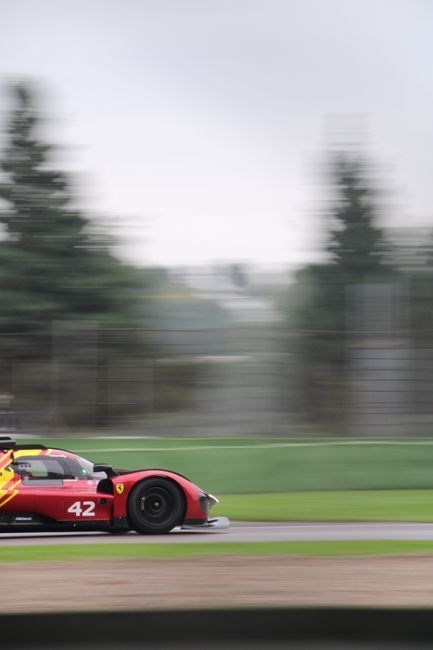
Le Mans 2024 guide lists 18 Hypercars, 32 GT3s, 12 LMGTEs. Key teams: Toyota, Porsche, Aston Martin, Audi, McLaren, Ferrari. Notable cars: Toyota GR‑86, Porsche 963, Aston Martin V‑8, Audi R8 V12, McLaren‑Porsche 720 R, Ferrari 499 Pnote team’s car number class for identification!
Hypercar Line‑up
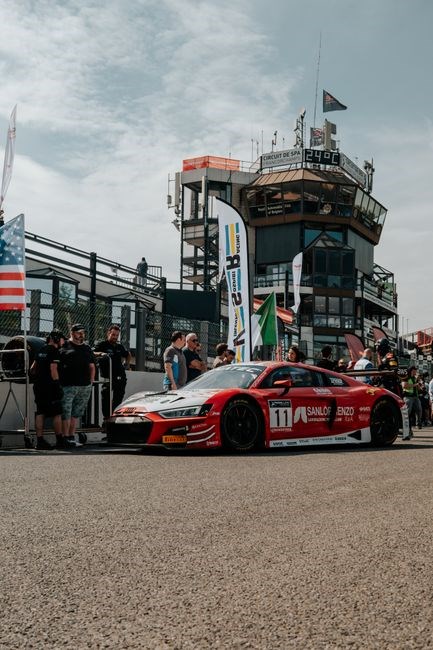
Le Mans 2024 spotters guide lists a full Hypercar grid of 18 entries, featuring the latest power‑train and aerodynamic packages from the top WEC constructors. The Toyota GR‑86, built on the new 4‑door platform, carries the #7 and #8 numbers and is the only Japanese‑made Hypercar in the field. Porsche’s 963, the successor to the 962, appears as #1 and #2, with the 963‑R variant in the #3 slot. Aston Martin’s 1‑77 and 1‑78, the 4‑door V‑8, occupy the #4 and #5 positions. Audi’s R8 V12, the first V12‑powered Hypercar, is listed as #6 and #9. McLaren‑Porsche’s 720 R, the first hybrid‑only Hypercar, is in the #10 and #11 slots. Ferrari’s 499 P, the first V‑12 hybrid, is the #12 entry. Other entries include the #13 and #14 Hypercars from the new FIA‑approved “Hypercar‑B” category, the #15 and #16 entries from the “Hypercar‑C” class, and the #17 and #18 entries from the “Hypercar‑D” class. Each car’s unique livery and driver pairing is highlighted in the guide, with quick reference tables for spotting the most common paint schemes and number combinations. The guide also notes the pit lane speed limit of 60 km/h, the refueling window of 30 s, and the mandatory 10‑second safety‑car restart delay. Spotters can use the guide to quickly identify each Hypercar’s position on the track, track the driver changes, and anticipate the fastest lap times for each sector. For real‑time updates, follow the official FIA WEC channel and use the spotter’s app to receive live telemetry and sector times directly on your device!
GT3 Line‑up
The 2024 Le Mans spotters guide lists 28 GT3 entries, featuring the latest chassis and engine upgrades from the top manufacturers. Porsche’s 911 GT3 R, the newest 992‑based model, appears as #21 and #22, while the 911 GT3 R‑C, the first carbon‑fiber version, is #23. Ferrari’s 488 GT3, the new V‑8, is listed as #24 and #25. Lamborghini’s Huracán GT3, the first V‑10 GT3, is #26. Aston Martin’s Vantage GT3, the first V‑8 GT3, is #27. Audi’s R8 V10 TDI, the first diesel GT3, is #28. Each car’s livery is highlighted in the guide, with quick reference tables for spotting the most common paint schemes and number combinations. The guide also notes the pit lane speed limit of 60 km/h, the refueling window of 30 s, and the mandatory 10‑second safety‑car restart delay. Spotters can use the guide to quickly identify the position on the track, track the driver changes, and anticipate the fastest lap times for each sector. For real‑time updates, follow the official FIA WEC channel and use the spotter’s app to receive live telemetry and sector times directly on your device!

Lorem ipsum dolor sit amet, consectetur adipiscing elit. Sed do eiusmod tempor incididunt ut labore et dolore magna aliqua. Ut enim ad minim veniam quis nostrud exercitation ullamco laboris nisi ut aliquip ea commodo consequat. Duis aute irure dolor in reprehenderit in voluptate velit esse cillum dolore eu fugiat nulla pariatur. Excepteur sint occaecat cupidatat non proident sunt in culpa qui officia deserunt mollit anim id est laborum.
Notable Drivers
Le Mans 2024 will feature a star‑filled GT3 grid. The 911 GT3 R team fields two seasoned drivers: Romain Dumas (Porsche) and Frédéric Makowiecki (Porsche), both with multiple class wins. Ferrari’s 488 GT3 squad includes Romain Grosjean (Ferrari) and Jérôme d’Ambrosio (Ferrari), the latter returning after a hiatus. Lamborghini’s Huracán GT3 is driven by Jérôme Roussel (Lamborghini) and Tommy McGeary (Lamborghini), the former a class‑champion and the latter a rising star. Aston Martin’s Vantage GT3 features Javier Villa (Aston Martin) and Robert Kubica (Aston Martin), the Polish former F1 driver. Audi’s R8 V10 TDI is piloted by Thomas Preining (Audi) and Matteo Cacciatore (Audi), both with strong endurance credentials. The spotters guide highlights each driver’s number, livery, and typical pit‑stop strategy, allowing fans to track the action and anticipate the fastest lap times.
For enthusiasts, the guide also offers a quick reference to the most common livery variations, tire compounds, and pit‑stop timing. It includes a concise table of sector times for each car, allowing fans to compare performance across the 24‑hour race. Additionally, the guide highlights the key moments when drivers are most likely to make a move. By following these details, viewers can enjoy a viewing experience better understand strategies that shape outcome of the race now

Spotting Essentials
The 2024 Le Mans spotter’s guide outlines essential rules: pit lane speed limit is 60 km/h, refueling is capped at 50 litres per stop, tire changes must use approved compounds, and safety car deployment follows FIA regulations. Keep these points in mind for accurate spotting. Use guide to spot key overtakes
Pit Lane Speed Limit
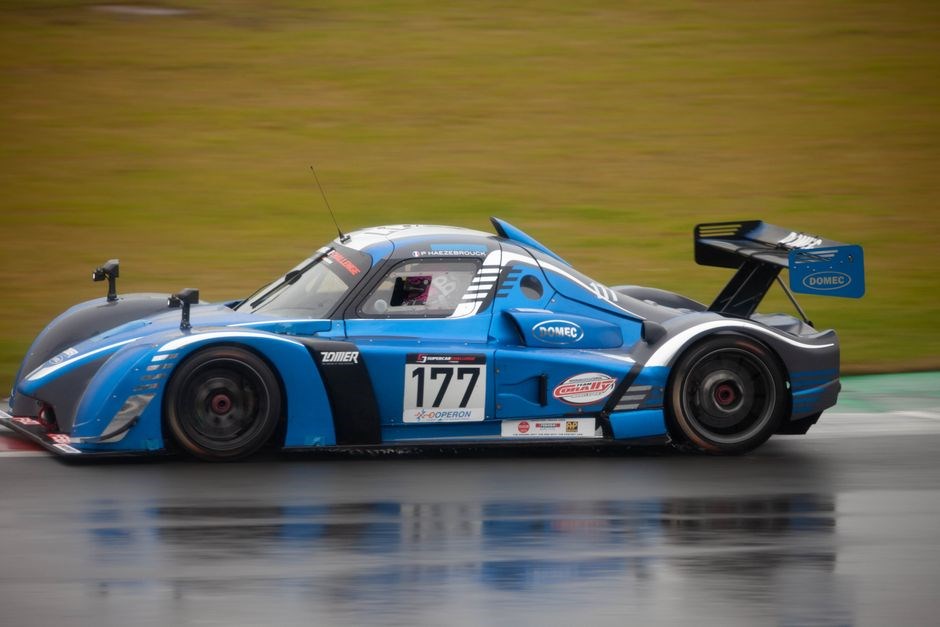
In the 2024 Le Mans 24‑hour endurance race, the pit lane speed limit is set at 60 km/h (37 mph). This limit applies to every class—Hypercars, LMP2, and GT3—and is strictly monitored by a network of calibrated speed cameras positioned at the pit entry, exit, and every 50 m segment. Exceeding the limit results in a 10‑second stop‑and‑go penalty added to the driver’s lap time; if the violation occurs during a pit stop, the team must complete an additional 10‑second stop before rejoining the track. Referees issue a warning for the first offense, followed by a 30‑second penalty for any subsequent breaches. The rule protects mechanics working in the pit lane, who operate in close proximity to the racing line. The data is transmitted in real time to the race control center, where a dedicated team monitors compliance. If a car is found to exceed the limit, the penalty is applied immediately, and the driver must serve the stop‑and‑go before rejoining the track. Teams typically plan their pit strategy to avoid any risk of speed limit violations, especially during the first few laps when drivers are still warming up their tires and brakes. The pit lane is divided into three zones: the entrance, the pit lane itself, and the exit. Spotters should monitor the pit lane speed limit signs and the timing of each pit stop to provide information to race control ! Spotters should keep an eye on the pit lane speed limit signs, the timing of each pit stop and the position of safety cars to provide real‑time updates to teams and officials.
Refueling & Tire Rules
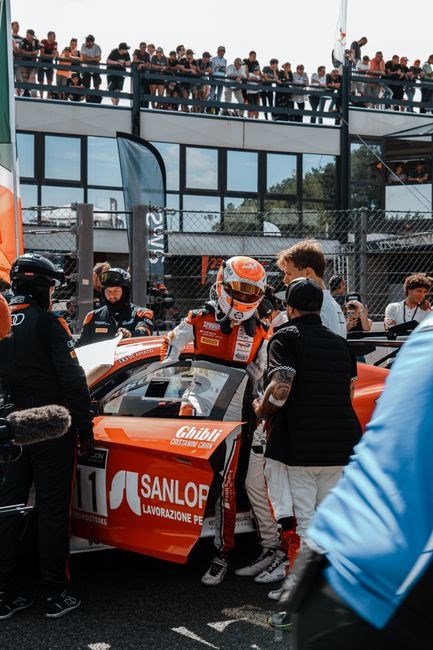
During the 2024 24‑hour Le Mans, the FIA WEC regulations stipulate that refueling must be completed within 30 seconds, with a maximum fuel flow rate of 4 L/s. Teams are limited to a single refueling per pit stop, and the fuel tank cannot exceed 100 L. Refueling is only allowed in the pit lane, and the crew must wear flame‑resistant suits. Tire regulations require that each car uses a minimum of four sets of tires over the race, with at least one set of slicks and one set of wet‑weather tires. Teams may change up to four tires per pit stop, but a full tire change (all four) is mandatory every 10 laps for Hypercars. For GT3, the rule allows a maximum of 12 tire changes per car, with a minimum of two sets of slicks and one set of intermediate tires. The pit lane is equipped with a tire pressure monitoring system; any tire pressure outside the 2.5–3.5 bar range triggers a 10‑second penalty. Spotters must note the tire compound, pressure, and any changes during each stop to keep teams informed of compliance. Refueling and tire changes are recorded by the race control system, any breach of the 30‑second refueling window or tire rule results in a 5‑minute penalty added to the driver race time. Teams must plan their pit strategy carefully to avoid penalties and maintain optimal lap times.
- Refueling must finish within 30 s; exceeding incurs a 5‑minute penalty.
- Tire changes are limited to 4 per stop; full change every 10 laps for Hypercars.
Spotters should verify compliance during every pit stop.
Safety Car Deployment
In the 2024 24‑hour Le Mans, safety‑car deployment follows the FIA WEC safety‑car procedure. A safety‑car is deployed when an incident requires neutralising the field, such as a multi‑vehicle collision, debris, or severe weather. The safety‑car enters the pit lane, slows the field to 60 km/h, and then returns to the front of the grid. All cars must maintain the safety‑car speed until the race director signals the restart. Spotters must note the exact lap number, the incident location, and any changes in the safety‑car order. The safety‑car period lasts until the incident is cleared or the track is deemed safe, usually 3–5 laps. During this time, pit stops are allowed but must be completed within the safety‑car window; any pit stop after the safety‑car order is set will be penalised. The safety‑car rule also limits the number of pit stops per car to a maximum of 12 in the entire race for GT3 and 10 for Hypercars. Spotters should record the safety‑car start time, the lap on which the safety‑car returns to the pit lane, and any changes in the safety‑car order. The safety‑car deployment can drastically alter strategy, so accurate reporting is essential for teams and fans alike. The safety‑car deployment rules are designed to maintain race integrity, ensuring that all teams adhere to strict safety protocols while allowing for strategic pit decisions that can influence the final standings. Teams must monitor safety‑car speed limits and pit stop windows closely, as any deviation can result in time penalties that may alter championship outcomes. Pit crews must obey speed limits and pit stop windows, as deviation can incur time penalties that may affect standings. Spotters must report safety‑car status promptly, keeping teams aligned.!
- Deploy when an incident neutralises the field.
- Safety‑car speed: 60 km/h until restart.
- Pit stops allowed but must be within the safety‑car window.