K9 Guide: A Comprehensive Overview (Updated 03/06/2026)
Today’s date is 03/06/2026 10:46:19. This guide details K9 unit operations, training, legal aspects, and procurement, referencing CA POST guidelines and K9 Working Dogs International.
K9 units, also known as police canine units, represent a vital component of modern law enforcement and security operations. These specialized teams pair highly trained dogs with human handlers to enhance capabilities in areas where human senses and skills alone may fall short. The utilization of canine partners extends beyond traditional patrol duties, encompassing a diverse range of applications crucial for public safety.
The CA Commission on POST (Peace Officer Standards and Training) recognizes the importance of K-9s, providing guidelines for certification and training courses, accessible via their website (www.post.ca.gov) or by contacting (916) 227-4863. These units aren’t limited to basic patrol and detection; specializations are numerous, including explosives, cadaver, search and rescue, SWAT, and airport security. Effective K9 programs require rigorous standards and ongoing training to ensure optimal performance and adherence to legal protocols.
Historical Context of Law Enforcement K9s

The employment of dogs in law enforcement isn’t a recent development; its roots trace back to ancient times, with canines assisting in guarding and tracking. However, the formalized use of K9 units within modern policing began to take shape in the early 20th century, primarily in Europe. German Shepherds quickly became the breed of choice due to their intelligence, trainability, and strong work ethic.
Following World War I, surplus war dogs were often repurposed for police work. The United States gradually adopted these practices, with K9 units initially focused on tracking fleeing suspects and detecting narcotics; Over the decades, training methodologies evolved, and the scope of K9 applications broadened significantly. The CA POST guidelines acknowledge this evolution, recognizing a wide array of specializations beyond the initial patrol and detection roles; Continuous refinement of standards, like those offered through K9 Working Dogs International, has been crucial to the profession’s growth.
The Role of K9s in Modern Policing
Today, K9 units are indispensable assets in modern law enforcement, extending far beyond traditional patrol duties. They significantly enhance officer safety, improve detection rates of illegal substances and explosives, and aid in locating missing persons, as highlighted by the diverse specializations recognized by CA POST. K9s provide a unique sensory capability, often exceeding human abilities in scent detection.
Their presence can also act as a deterrent to criminal activity. Specialized units, like SWAT K9s and those operating in airport security, demonstrate the adaptability of these canine officers. Maintaining proficiency requires consistent training – a minimum of sixteen hours monthly is the industry standard – ensuring K9s remain effective and reliable. Federally licensed training centers, such as K9 Working Dogs International, play a vital role in upholding these standards and preparing K9 teams for the challenges of contemporary policing.
K9 Specializations
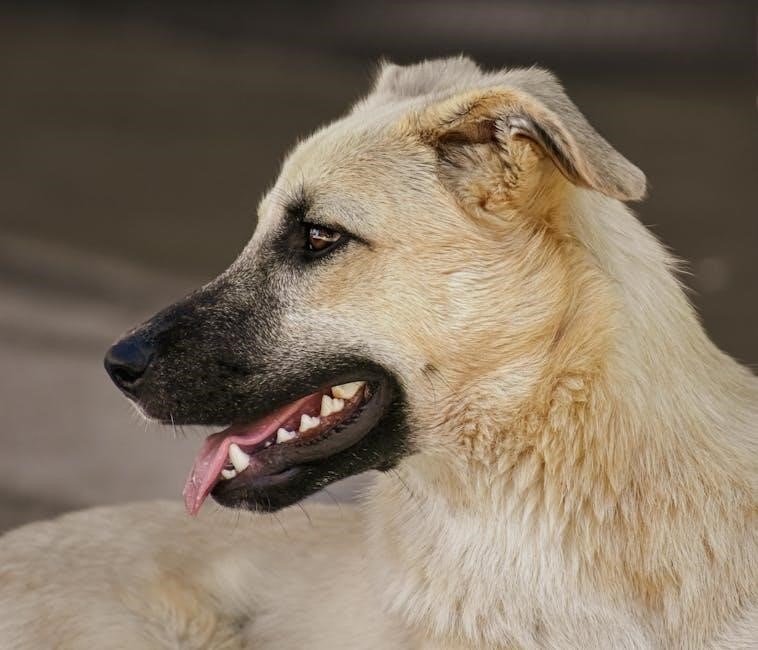
K9 units demonstrate diverse skills, including patrol, narcotics and explosives detection, cadaver recovery, search and rescue, SWAT support, and airport security operations, per CA POST.
Patrol K9s: Core Duties and Responsibilities
Patrol K9s represent the foundational element of most law enforcement K9 units, performing a wide array of critical duties. These highly trained dogs assist officers in suspect apprehension, area searches, building clearings, and tracking fleeing individuals. Their enhanced senses significantly improve officer safety and effectiveness during potentially dangerous encounters.
Beyond apprehension, patrol K9s are frequently deployed for proactive crime prevention through high-visibility patrols. They also provide a crucial deterrent to criminal activity; A key responsibility involves detecting the odor of concealed narcotics, even when not specifically tasked with a drug search.
Effective patrol K9 work demands rigorous and ongoing training, ensuring the dog maintains peak performance and responsiveness. Handlers must consistently reinforce obedience, agility, and tactical skills. Maintaining a strong bond between handler and K9 is paramount for successful operations.
Narcotics Detection K9s: Identifying Illegal Substances
Narcotics detection K9s are specialized in locating a wide variety of illegal substances, including marijuana, cocaine, heroin, methamphetamine, and ecstasy. These dogs possess an extraordinary olfactory capability, allowing them to detect even trace amounts of narcotics concealed within luggage, vehicles, packages, or buildings. Their training focuses on recognizing specific chemical odors, rather than simply identifying the substance itself.
Deployments often occur in airports, border crossings, schools, and during traffic stops. A positive alert from a narcotics detection K9 establishes probable cause for a search, adhering to legal standards regarding search and seizure. Handlers must be meticulously trained to interpret the dog’s alerts accurately and reliably.
Maintaining proficiency requires continuous exposure to various narcotics and concealment methods. Regular certification and ongoing training are essential to ensure the K9’s accuracy and reliability in identifying illegal substances, upholding the integrity of law enforcement operations.
Explosives Detection K9s: Ensuring Public Safety
Explosives detection K9s play a critical role in safeguarding public events, transportation hubs, and critical infrastructure. These highly trained dogs are capable of identifying a vast range of explosive materials, including common compounds like TNT, C4, and dynamite, as well as homemade explosives. Their acute sense of smell allows them to detect even minute quantities of explosive residue.
Deployments are frequent in airports, stadiums, concerts, and government buildings. A positive alert from an explosives detection K9 initiates established security protocols, often leading to evacuation and further investigation. Handlers receive extensive training in recognizing subtle behavioral cues indicating the presence of explosives.
Rigorous and continuous training is paramount, exposing the K9s to diverse explosive scents and concealment techniques. Maintaining certification through organizations like K9 Working Dogs International ensures the highest standards of accuracy and reliability in protecting communities.
Cadaver Detection K9s: Assisting in Search and Recovery
Cadaver detection K9s offer a crucial, yet somber, service in locating deceased individuals. These dogs are trained to identify the scent of human decomposition, even in challenging environments and across significant timeframes. Their abilities are invaluable in cases involving missing persons, suspected homicides, and natural disasters where recovery efforts are underway.
Deployments often occur in remote wilderness areas, underwater (with specialized training), and within collapsed structures. Cadaver dogs can detect remains buried underground, concealed within vehicles, or submerged in bodies of water. The sensitivity of their noses allows them to pinpoint the source of the scent, guiding search teams.
Training involves exposing the K9s to controlled decomposition scents, ensuring they can discriminate between human remains and other odors. Ethical considerations are paramount, and handlers operate with respect and sensitivity during these difficult missions.
Search and Rescue K9s: Locating Missing Persons
Search and Rescue (SAR) K9s are vital in swiftly locating lost or injured individuals, often in time-critical situations. These dogs utilize their exceptional olfactory capabilities to track human scent, covering vast terrains far more efficiently than human searchers alone. They are deployed in diverse environments, including wilderness areas, urban settings, and disaster zones.
SAR K9s are typically trained in one of two primary methods: air-scenting or trailing; Air-scenting dogs detect scent carried by the wind, while trailing dogs follow the specific scent path left by a person. Both methods require rigorous training and a strong bond between the dog and handler.
Successful SAR operations depend on factors like weather conditions, terrain, and the age of the scent. K9s can locate individuals who are conscious, unconscious, or even concealed, providing hope and significantly increasing the chances of a positive outcome.
SWAT K9s: Tactical Support in High-Risk Situations
SWAT K9s provide crucial support to tactical teams during high-risk operations, enhancing officer safety and mission effectiveness. These highly trained dogs are deployed in scenarios such as hostage situations, barricaded suspects, and building searches, offering a unique set of capabilities unavailable to human officers.
Their primary roles include suspect apprehension, area and building clearing, and explosive/narcotics detection. SWAT K9s are trained to respond to a variety of commands, including bite work, controlled aggression, and obedience under extreme stress. They are equipped with protective gear, including vests and sometimes specialized optics.
The deployment of a SWAT K9 requires careful consideration and adherence to strict protocols. Handlers must maintain a high level of proficiency and ensure the dog’s welfare throughout the operation, prioritizing both safety and tactical advantage.
Airport Operations K9s: Security and Screening
Airport K9 units are a vital component of aviation security, working diligently to detect explosives, narcotics, and prohibited agricultural products. These highly specialized dogs enhance screening procedures, providing a mobile and effective layer of defense against potential threats. Their keen sense of smell allows them to identify concealed items that might evade traditional detection methods.
K9 teams patrol terminals, baggage claim areas, cargo facilities, and aircraft, both randomly and in response to specific alerts. They are trained to work amidst the distractions of a busy airport environment, maintaining focus and accuracy. Successful detection leads to further investigation and potential intervention by law enforcement.
Ongoing training and certification are paramount for airport K9s, ensuring they remain proficient and adaptable to evolving security challenges. These teams contribute significantly to passenger safety and the overall security of air travel.
K9 Training and Certification
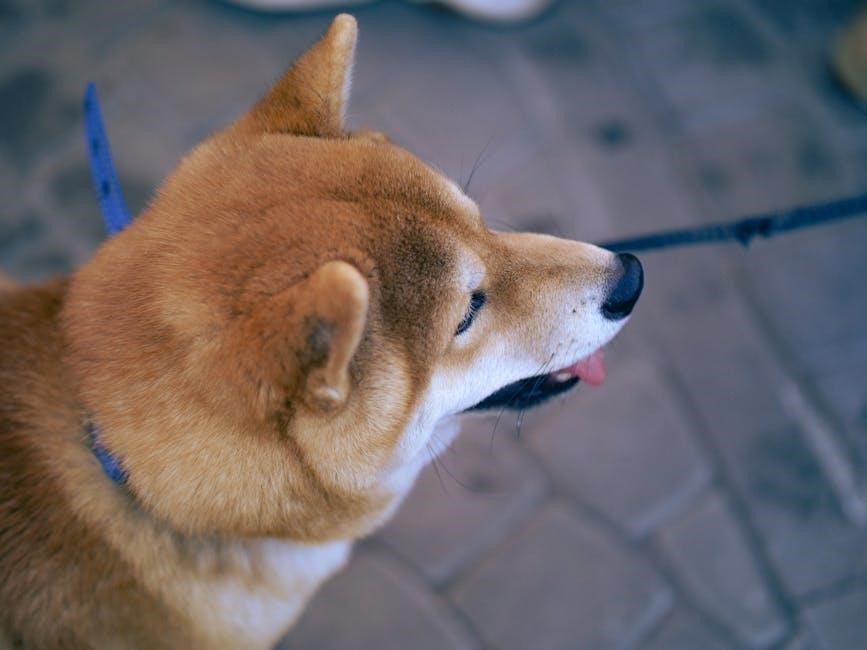
K9 training utilizes proven methodologies, adhering to national standards for handler certification. Maintenance training is crucial—a minimum of sixteen hours monthly is the industry benchmark.
Fundamentals of K9 Training Methodology
Effective K9 training centers on positive reinforcement techniques, building a strong bond between handler and dog. This methodology prioritizes rewarding desired behaviors, fostering enthusiasm and reliability. Initial training establishes foundational obedience, including recall, sit, stay, and down commands, crucial for control in diverse environments.
Imprinting is a key element, introducing the dog to various scents, objects, and scenarios they’ll encounter during deployments. Decoy work, simulating real-world challenges, refines the dog’s drive and accuracy. Progressive training gradually increases the difficulty, ensuring the K9 maintains focus and precision.
Handler training is equally vital, teaching proper leash handling, reading canine body language, and understanding legal considerations. Consistent communication and clear signals are paramount. The goal is a seamless partnership where the handler and K9 function as a cohesive unit, capable of responding effectively to any situation.
National Standards for K9 Handler Certification
Currently, a universally mandated national standard for K9 handler certification doesn’t exist in the United States. However, K9 Working Dogs International offers courses meeting widely accepted national standards, providing a robust framework for officer certification. CA POST (Commission on Peace Officer Standards and Training) in California provides guidelines and oversees certification of K-9 training courses, reachable at (916) 227-4863.
Certification typically involves rigorous testing of both the handler and the K9, assessing proficiency in areas like obedience, detection accuracy, and scenario-based applications. Handlers must demonstrate a thorough understanding of relevant laws, search and seizure protocols, and use of force policies.
Successful completion signifies the team’s readiness for operational deployment, assuring the public and the courts of their competence and adherence to best practices. Maintaining certification requires ongoing training, as detailed in subsequent sections.
The Importance of Ongoing Maintenance Training (Minimum 16 Hours/Month)
Consistent, ongoing training is absolutely critical for maintaining a K9 team’s effectiveness and reliability. The industry standard dictates a minimum of sixteen (16) hours of maintenance training each month, averaging four hours per week. This isn’t merely a formality; it’s essential for reinforcing learned behaviors and preventing skill degradation.
Regular training sessions should encompass obedience drills, scent detection exercises, and realistic scenario-based simulations. This proactive approach ensures the K9 remains sharp, responsive, and adaptable to diverse operational environments.
Furthermore, continuous training allows handlers to refine their skills, strengthen their bond with their K9 partner, and stay current with evolving best practices and legal considerations. Neglecting maintenance training compromises the team’s performance and potentially jeopardizes mission success.
K9 Working Dogs International: A Federally Licensed Training Center
K9 Working Dogs International stands as a premier, federally licensed K9 training center dedicated to providing cutting-edge training for both K9 handlers and working dogs. They specialize in comprehensive courses designed to meet rigorous national standards for K9 handler officer certification.
The center offers a diverse range of K9s for sale, including fully trained single-purpose detection dogs – specializing in narcotics or explosives – as well as versatile dual-purpose and multi-purpose K9s. These dogs are meticulously selected and trained to excel in various law enforcement applications.
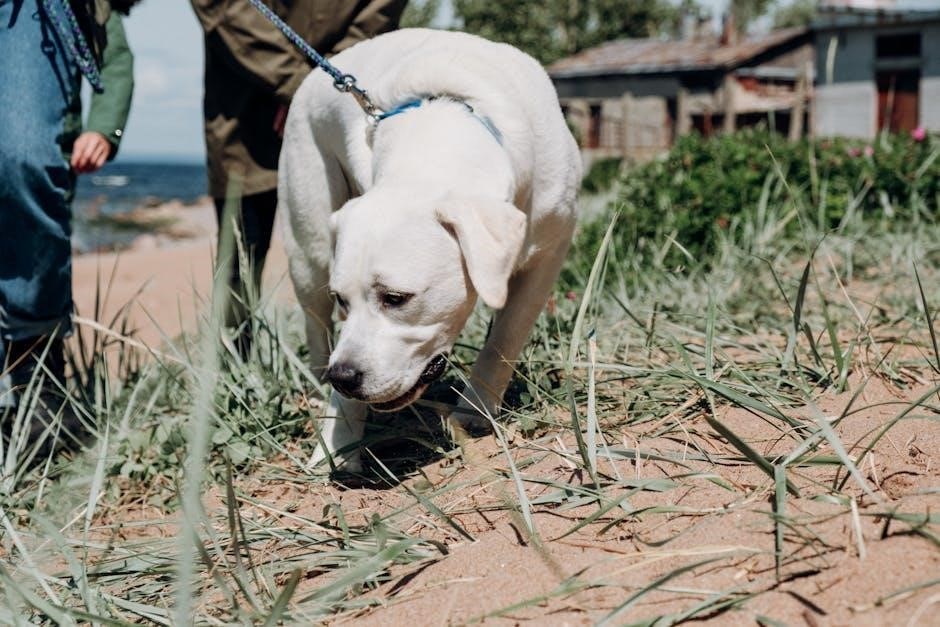
Their handler courses emphasize practical skills, legal considerations, and the importance of the handler-K9 bond; K9 Working Dogs International is committed to equipping law enforcement agencies with highly capable K9 teams ready to serve and protect.
CA POST K-9 Guidelines: Certification and Compliance (Contact: 916-227-4863)
The California Commission on POST (Peace Officer Standards and Training) provides crucial guidelines for law enforcement K-9 units within the state. These guidelines cover certification processes for K-9 training courses, ensuring a standardized level of competency and professionalism.
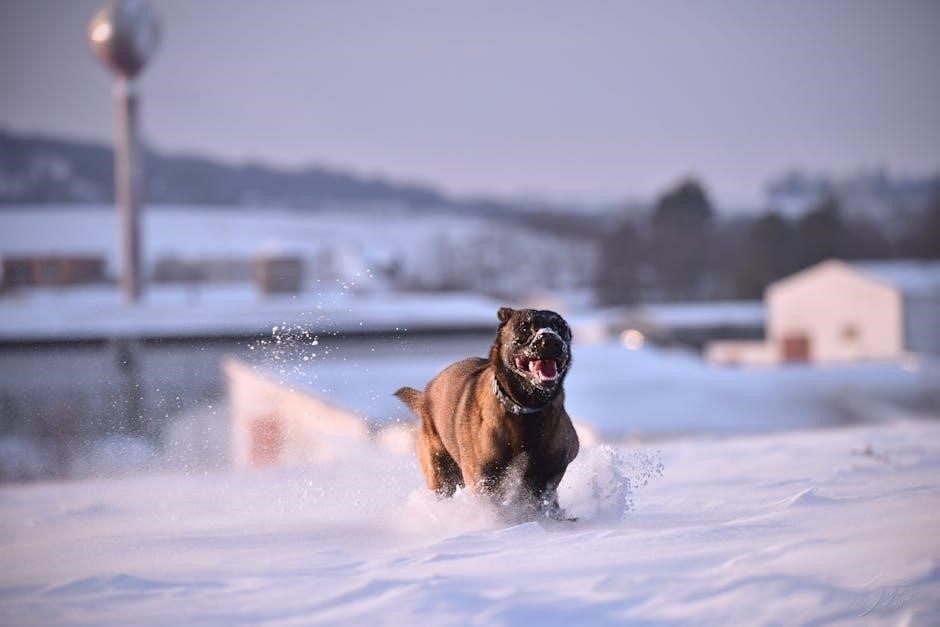
Specifically, certification inquiries should be directed to the Training Delivery and Compliance Bureau at (916) 227-4863. POST recognizes the diverse specializations within K-9 units, extending beyond basic patrol and detection roles to include explosives detection, cadaver recovery, search and rescue, SWAT support, and airport security.
These guidelines acknowledge the significant role K-9s play in law enforcement and emphasize the importance of adhering to established protocols for effective and legally sound deployments. Compliance with POST standards is vital for maintaining the integrity and reliability of K-9 operations.

K9 Acquisition and Procurement
Sourcing K9s involves selecting reputable breeders or vendors offering single-purpose, dual-purpose, or multi-purpose dogs, carefully evaluating temperament and drive for suitability.
Sourcing K9s: Reputable Breeders and Vendors
Selecting a K9 from a reliable source is paramount for a successful law enforcement partnership. Reputable breeders and vendors prioritize health, temperament, and working ability, providing detailed lineage information and health guarantees. Thorough vetting is crucial; investigate the breeder’s history, facility conditions, and training methodologies.
Avoid impulse purchases or sources lacking transparency. Look for breeders specializing in working dog breeds, understanding the specific demands of police work. Vendors should offer dogs with proven track records and be willing to facilitate pre-purchase evaluations by experienced K9 handlers.
Consider factors like breed suitability for the intended specialization (patrol, detection, etc.) and the dog’s genetic predisposition for drive and trainability. A well-sourced K9 represents a significant investment, impacting the unit’s effectiveness and officer safety.
Single Purpose K9s vs. Dual/Multi-Purpose K9s
The decision between a single-purpose, dual-purpose, or multi-purpose K9 hinges on agency needs and resource availability. Single-purpose dogs excel in one specific discipline – for example, solely narcotics or explosives detection – offering focused expertise. These are often ideal when a highly specialized skill is required.
Dual-purpose K9s, commonly patrol and detection combinations, provide versatility, capable of apprehension work and detecting substances. This offers a broader range of operational capabilities with a single animal. Multi-purpose K9s are trained in several disciplines, maximizing adaptability but demanding extensive training and maintenance.
K9 Working Dogs International offers both fully trained single, dual, and multi-purpose K9s. Agencies must weigh the benefits of specialization against the advantages of broader skillsets when making their procurement choices.
Evaluating K9 Temperament and Drive
Selecting a K9 requires careful assessment of temperament and drive, crucial for successful performance and longevity in service. Temperament refers to the dog’s inherent personality – stability, confidence, and sociability are paramount. A K9 must be able to handle stressful situations without becoming aggressive or fearful.
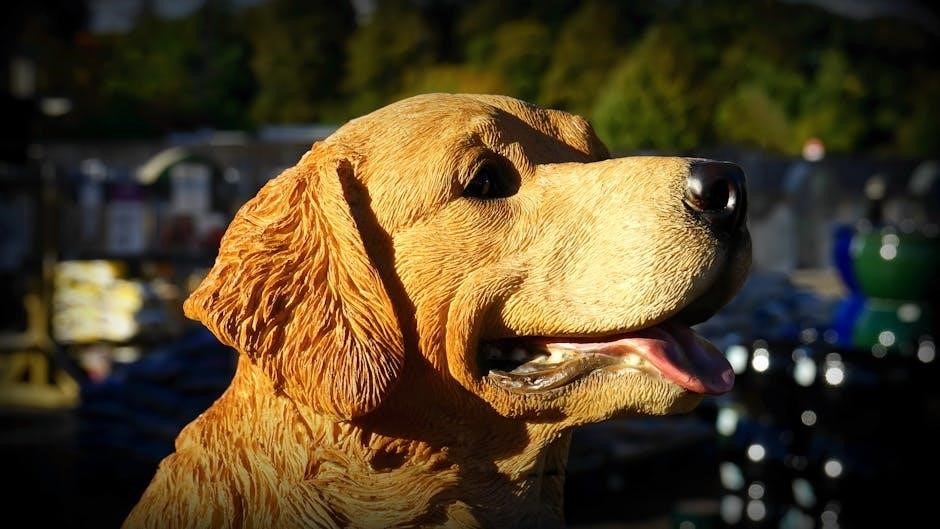
Drive encompasses the dog’s motivation to work, specifically prey drive (desire to chase and capture), hunt drive (persistent searching), and play drive (enthusiasm for engagement). High drive is essential for sustained performance during demanding tasks.
Reputable breeders and vendors prioritize these traits. Evaluations involve observing the dog’s reactions to various stimuli, assessing its willingness to engage, and gauging its resilience. A thorough evaluation minimizes the risk of acquiring a K9 unsuited for law enforcement work.
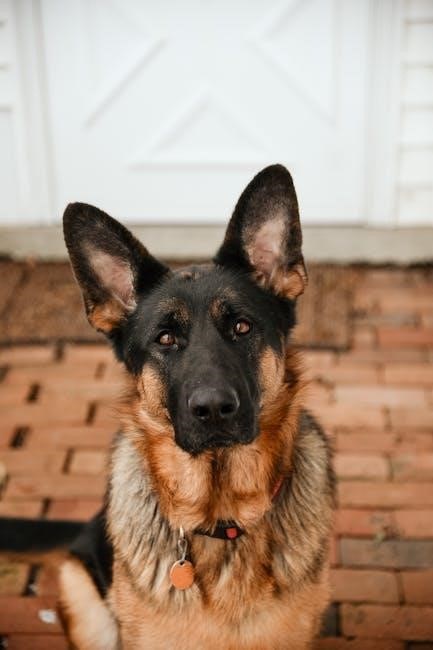
K9 Health and Welfare
Maintaining K9 health involves veterinary care, proper nutrition, and recognizing stress/fatigue. Optimal performance relies on addressing these welfare factors consistently and proactively.
Veterinary Care for Working Dogs
Routine veterinary check-ups are paramount for maintaining the health and operational readiness of K9 officers. These examinations should extend beyond standard preventative care, encompassing musculoskeletal evaluations due to the physically demanding nature of their work. Working dogs are prone to injuries like sprains, strains, and joint issues, necessitating regular assessment by a veterinarian experienced with canine athletes.
Dental hygiene is also crucial, as dental disease can impact a K9’s ability to effectively scent and perform duties. Furthermore, parasite prevention – both internal and external – is essential. A proactive approach to veterinary care minimizes downtime due to illness or injury, ensuring the K9 remains a valuable asset to the unit. Prompt attention to any signs of discomfort or behavioral changes is vital for early diagnosis and treatment, safeguarding the dog’s well-being and longevity in service.
Nutritional Requirements for Optimal Performance
A high-quality, performance-based diet is fundamental to a K9’s ability to excel. Working dogs expend significant energy and require a diet rich in protein and healthy fats to support muscle development, endurance, and overall health. The specific nutritional needs will vary based on the dog’s age, breed, activity level, and specialization (patrol, detection, etc.).
Maintaining optimal body condition is critical; overweight K9s are more susceptible to injuries and fatigue, while underweight dogs may lack the stamina needed for demanding tasks. Hydration is equally important, especially during strenuous activity or in hot weather. Supplementation, under veterinary guidance, may be beneficial to address specific needs or deficiencies. Consistent feeding schedules and portion control are essential for maintaining peak physical condition and ensuring the K9 remains a reliable and effective partner.
Recognizing and Addressing K9 Stress and Fatigue
K9 officers, despite their training, are susceptible to both physical and psychological stress. Recognizing early signs of fatigue – decreased drive, reluctance to work, changes in appetite, or increased vocalization – is crucial. Stressors can include intense training, challenging deployments, environmental factors, or separation from their handler.
Addressing these issues requires a proactive approach. Providing adequate rest, mental stimulation through play, and positive reinforcement are vital. Handlers must be attuned to their K9’s body language and emotional state, offering reassurance and a calm environment. Veterinary consultation is recommended to rule out underlying medical conditions contributing to stress or fatigue. Prioritizing the K9’s well-being ensures continued performance and strengthens the handler-dog bond, fostering a reliable and effective working partnership.

Legal Considerations for K9 Units
K9 deployments must adhere to search and seizure laws, alongside clearly defined use of force policies. Liability concerns necessitate robust risk management protocols and thorough documentation.
Search and Seizure Laws Related to K9 Deployments
K9 unit deployments are subject to Fourth Amendment protections against unreasonable searches and seizures. A lawful deployment generally requires reasonable suspicion that criminal activity is afoot, justifying the initial intrusion. The “alert” by a narcotics or explosives detection K9 often establishes probable cause for a search warrant or further investigation.
However, the legality hinges on the K9’s reliability and the handler’s control. Courts scrutinize the K9’s training records, certification, and documented accuracy. Prolonged or circling behavior without a clear alert may be deemed an unlawful extension of a traffic stop.
Furthermore, the scope of a K9 search must be limited to areas where the suspected contraband could reasonably be found. Deploying a K9 solely for the purpose of discovering evidence, without individualized suspicion, is generally prohibited. Proper documentation of the deployment, including the reason for the initial stop and the K9’s behavior, is crucial for defending against legal challenges.
Use of Force Policies and K9s
K9s are considered a level of force, and their deployment must align with agency use-of-force policies. These policies dictate when a K9 can be used, typically escalating from verbal commands to physical control. Generally, K9 deployment is authorized in situations posing an immediate threat to officer or public safety, or during apprehension of fleeing felony suspects.
Policies must clearly define acceptable bite scenarios, emphasizing proportionality. A K9 should not be deployed solely to inflict pain or punishment. Handlers are responsible for maintaining control of their K9 and terminating the deployment once the threat is neutralized.
Post-incident procedures are critical, including medical attention for any individuals bitten and thorough documentation of the event. Agencies must provide comprehensive training on use-of-force principles specific to K9 deployments, covering legal considerations and de-escalation techniques. Regular review and updates to policies are essential.
Liability Issues and Risk Management
K9 unit operations inherently carry liability risks, primarily stemming from potential bites, property damage, and legal challenges related to search and seizure. Agencies must proactively mitigate these risks through robust policies, comprehensive training, and diligent documentation.
Proper handler training, emphasizing control and appropriate deployment, is paramount. Maintaining detailed records of K9 deployments, including justification for use, is crucial for defending against potential lawsuits. Insurance coverage specifically addressing K9-related incidents is also essential.
Regular K9 health checks and maintenance training demonstrate responsible oversight. Agencies should consult with legal counsel to ensure policies comply with current laws and court precedents. Thorough investigations of any K9-involved incidents are vital for identifying areas for improvement and minimizing future liability.