L’Oréal HiColor Instructions: A Comprehensive Guide
Dive into vibrant color transformations! This comprehensive guide details L’Oréal HiColor application, from achieving bold reds and magenta hues to understanding the HiColor Engine.
Explore detailed tutorials, covering everything from virgin hair to previously colored strands, ensuring a flawless, long-lasting result with minimal fading and damage.
Understanding L’Oréal HiColor
L’Oréal HiColor represents a unique approach to at-home hair coloring, specifically designed for achieving vibrant, noticeable color changes without the need for pre-lightening – a significant advantage for many users. Unlike traditional permanent hair dyes, HiColor utilizes a specialized formula that directly deposits color, making it particularly effective on darker hair shades.
The key to HiColor’s effectiveness lies in its HiColor Engine, a technology that allows for intense color penetration and deposition. This is crucial for achieving bold shades like magenta and red, even on hair that hasn’t been previously lightened. However, understanding the nuances of the formula is vital for optimal results.

Numerous online tutorials demonstrate the application process, highlighting the importance of following instructions carefully. These resources, dating back to 2016 and continuing through 2025, showcase transformations and offer troubleshooting advice for common issues like uneven color or poor color uptake.
What is HiColor and Who is it For?
L’Oréal HiColor is a no-bleach hair dye system formulated to deliver vibrant, high-impact color, particularly reds and magentas, directly onto hair strands. It’s designed for individuals seeking a dramatic color change without the damage associated with bleaching or lightening processes. This makes it a popular choice for those wanting to experiment with bold shades.
HiColor is ideally suited for those with naturally darker hair who desire a noticeable color transformation. While it can be used on lighter hair, the results will be more subtle. Many online tutorials, like those found on platforms showcasing hair dye transformations, demonstrate successful applications on various hair types and lengths.
However, it’s not a one-size-fits-all solution. Individuals with heavily processed or damaged hair should exercise caution, and a patch test is always recommended. The product caters to those comfortable with at-home application and willing to follow detailed instructions for optimal results.
HiColor Shades: A Detailed Overview
L’Oréal HiColor boasts a range of intensely pigmented shades, with reds and magentas being the most sought-after. HiColor Magenta consistently appears as a popular choice, frequently featured in hair dye tutorials demonstrating vibrant, eye-catching results, especially on darker hair. The shade delivers a rich, cool-toned pink that’s both bold and flattering.
Beyond magenta, the HiColor line includes various red tones, from fiery, bright reds to deeper, more subdued shades. These reds are designed to show up vividly even on naturally dark bases, eliminating the need for pre-lightening in many cases. Online content highlights the effectiveness of HiColor Red for achieving a dramatic, head-turning look.
While specific shade availability may vary, the core focus remains on delivering high-impact, noticeable color. Understanding the undertones of each shade is crucial for achieving the desired result.
Preparing for HiColor Application
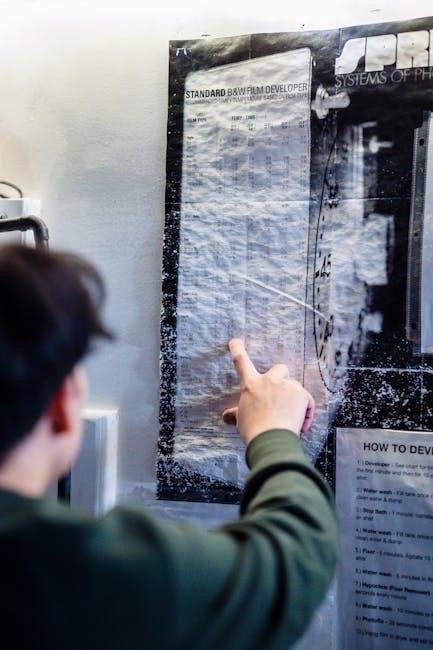
Successful HiColor application begins with meticulous preparation. Before diving into the vibrant shades, prioritize hair health and safety. Thoroughly review all included instructions and warnings. A crucial first step is performing a strand test – a small, discreet area to assess color development and potential allergic reactions. This preemptive measure can save significant distress.
Gather all necessary supplies before mixing the formula. This includes gloves (often provided), an applicator brush, a non-metallic bowl, an old towel to protect clothing, and a timer. Ensure your workspace is well-ventilated and covered to prevent staining.
Detangle your hair completely to ensure even product distribution. Avoid washing your hair for 24-48 hours prior to application; natural oils aid in color adhesion and protect the scalp.
Patch Test: Ensuring Safety
Prioritizing your well-being is paramount when using any hair dye, and L’Oréal HiColor is no exception. A patch test is a non-negotiable step to identify potential allergic reactions or sensitivities. Apply a small amount of the mixed HiColor formula to a discreet area, such as behind your ear or on your inner elbow.
Cover the test area with a bandage and leave it undisturbed for 48 hours. During this period, carefully monitor the area for any signs of irritation, including redness, itching, burning, or swelling.
If any adverse reaction occurs, immediately discontinue use and consult a medical professional. Even a mild reaction warrants caution. Skipping the patch test could lead to a severe allergic response affecting your scalp, face, or neck. Safety first – always!
Gathering Your Supplies
Preparation is key for a smooth and successful HiColor application. Before you begin, assemble all necessary materials to avoid mid-process interruptions. You’ll need the L’Oréal HiColor kit itself, including the color crème and developer.
Essential additions include a non-metallic mixing bowl and applicator brush – metal can react with the dye. Protective gloves are crucial to prevent staining your hands. Old towels or a salon cape will shield your clothing.
Consider having a petroleum jelly or barrier cream to protect your hairline from staining. A timer is vital for accurate processing time. Finally, have your preferred aftercare products, like color-safe shampoo and conditioner, readily available for post-application care.
Step-by-Step HiColor Application Guide
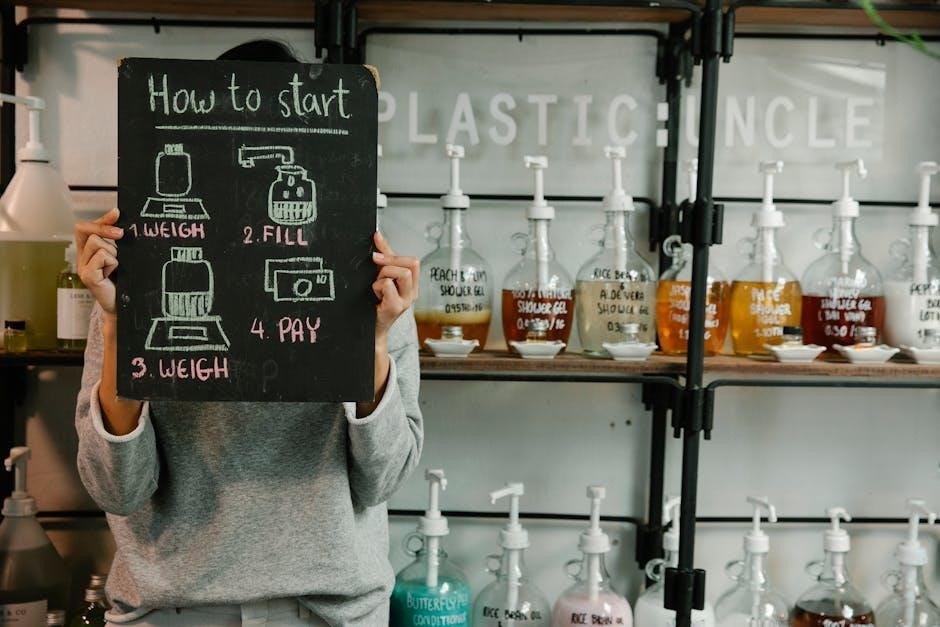
Begin with precision! Following these steps ensures optimal color deposit and minimizes errors. First, carefully read and understand all instructions included within your HiColor kit. Ensure you’ve completed the patch test (detailed elsewhere in this guide) to confirm sensitivity.
Next, proceed to mixing the formula – a crucial step for consistent results. Apply the mixture evenly, sectioning your hair for thorough coverage. Processing times vary; adhere strictly to the recommended duration.

Rinse thoroughly until the water runs clear, then condition as directed. Remember, application techniques differ slightly for virgin versus previously colored hair, so tailor your approach accordingly for a vibrant, lasting color.
Mixing the HiColor Formula
Precision is paramount! Carefully combine the HiColor crème colorant and developer within the applicator bottle, ensuring a consistent mixture. Shake vigorously for a full minute – this is vital for activating the color and achieving even results.
The ratio is pre-determined within the kit, so avoid altering it. A thoroughly mixed formula will have a smooth, creamy consistency. Any lumps indicate insufficient mixing; continue shaking until eliminated.
Immediate application is recommended after mixing to maximize potency. Do not allow the mixture to sit for an extended period, as this can affect the color outcome. Prepare to apply immediately after achieving a homogenous blend.
Applying to Virgin Hair
For untouched canvases, section your hair into four quadrants for systematic application. Begin applying the HiColor mixture approximately one inch from the scalp, working your way down the hair shaft. This staggered approach minimizes scalp irritation and ensures even saturation.
Once the lengths are covered, return to the roots and apply the remaining formula. Ensure complete coverage, massaging gently to distribute the colorant. Avoid overlapping onto previously colored hair, as this can lead to uneven tones.
Maintain consistent application speed and thickness throughout each section. Processing time varies, but generally, 30-45 minutes is recommended for virgin hair. Monitor closely for desired color intensity.
Applying to Previously Colored Hair
When refreshing color or making a shift, focus application on new growth only. Avoid overlapping onto previously treated sections to prevent damage and color buildup. Section hair as before – four quadrants are ideal – for controlled application.
Begin applying the HiColor mixture directly to the roots, ensuring thorough saturation. Work quickly and efficiently to maintain even processing. Be mindful of banding; blend the new color seamlessly with the existing shade along the hair shaft.
Processing time will be shorter than with virgin hair, typically 20-30 minutes. Regularly check for desired color development, as previously colored hair processes faster. Rinse thoroughly and condition to restore moisture.
HiColor for Dark Hair: Achieving Vibrant Results
Dark hair presents a unique challenge when aiming for vibrant colors. L’Oréal HiColor’s formula, with its built-in developer, is designed to penetrate dark pigments, delivering noticeable results without pre-lightening in many cases. However, intensity depends on your starting shade.
For deeper, richer tones, consider a double application. Apply the HiColor as directed, rinse, and repeat for increased color payoff. Magenta and red shades are particularly popular choices for dark hair, offering striking contrast.
Remember, achieving true vibrancy on very dark hair may require pre-lightening for optimal results. Always prioritize hair health and consider a strand test to assess color development and minimize damage.
HiColor Magenta: A Popular Choice ⎼ Tutorial Focus
L’Oréal HiColor Magenta is a standout shade, renowned for its bold, vibrant pink-purple hue. Many online tutorials demonstrate successful applications, particularly on dark hair, showcasing impressive color transformations. Expect a noticeable shift, even without pre-lightening, though results are amplified on lighter bases.
Application typically involves mixing the colorant and developer thoroughly, then applying evenly to hair, starting at the roots. Processing time is crucial – generally around 30-45 minutes, but always refer to the box instructions. A thorough rinse with cool water follows, locking in the color.
Locs and natural hair are frequently featured in HiColor Magenta tutorials, highlighting its suitability for diverse textures. Remember to perform a strand test first!
HiColor Red: Achieving a Bold Look
L’Oréal HiColor Red delivers a striking, fiery look, favored for its intensity and vibrancy. Numerous online resources and tutorials detail achieving this bold shade, often emphasizing its effectiveness even on darker hair tones. However, pre-lightening can significantly enhance the color’s brilliance, especially for a true, vivid red.
The application process mirrors that of other HiColor shades: precise mixing of colorant and developer, followed by even distribution throughout the hair. Pay close attention to saturation, ensuring all strands are coated for uniform color. Processing time is key, typically around 30-45 minutes, but always consult the product packaging.
Many users share their transformations, demonstrating the dramatic impact of HiColor Red. Remember a strand test is vital before full application!
Post-Application Care: Maintaining Color
Preserving the vibrancy of your HiColor result requires dedicated aftercare. Color-safe shampoos and conditioners are paramount, minimizing stripping and fading. Avoid sulfates, which are notorious for diminishing color intensity. Incorporate weekly deep conditioning treatments to replenish moisture lost during the coloring process, promoting hair health and shine.
Limit heat styling, as excessive temperatures accelerate color fade and can cause damage. When heat is necessary, always use a heat protectant spray. Protect your hair from sun exposure, as UV rays also contribute to color loss; consider using hair products with UV filters or wearing a hat.
Regular touch-ups will maintain the boldness of your HiColor shade, preventing dullness and ensuring a consistently vibrant look.
Preventing Fading and Damage
Protecting your investment in HiColor requires proactive measures against fading and potential damage. Minimize shampooing frequency; washing hair less often helps retain color. Opt for cooler water temperatures during washing, as hot water opens the hair cuticle, allowing color to escape. Utilize color-depositing conditioners to refresh the shade between applications.
Deep conditioning treatments are crucial for restoring moisture and strengthening the hair shaft, counteracting the potential drying effects of coloring. Avoid harsh chemicals and styling products containing alcohol, which can strip moisture and dull the color.
Shielding hair from environmental stressors like sun and chlorine is vital; Consider a leave-in conditioner with UV protection and always rinse hair thoroughly after swimming.
Troubleshooting Common HiColor Issues

Encountering issues with HiColor? Here’s how to address them. Uneven color application often stems from insufficient saturation during the initial process; ensure complete coverage, sectioning hair meticulously. If color doesn’t take properly, consider hair porosity – pre-treating with a protein filler can aid absorption. Previously colored or heavily processed hair may require a second application or a pre-lightening step.
Addressing patchy results involves re-applying the dye specifically to the lighter areas, carefully blending with the existing color. If the shade is too intense, a clarifying shampoo can gently lift some pigment, but use cautiously;
Always perform a strand test beforehand to anticipate potential problems and adjust the formula accordingly. Remember, patience and precision are key to achieving optimal results.
Uneven Color Application
Dealing with patchy HiColor results? This is a common concern, often arising from inconsistent product distribution. Thorough saturation is paramount; divide hair into small, manageable sections, ensuring each strand is fully coated from root to tip. Pay close attention to the hairline and nape of the neck, areas frequently missed.
Insufficient dye application can lead to lighter spots, particularly on darker hair. Utilize a brush for precise application, and consider enlisting assistance for hard-to-reach areas. If unevenness persists after the initial application, a targeted touch-up focusing on the lighter sections is recommended.
Remember to blend carefully to avoid harsh lines. A strand test beforehand can help predict potential issues and refine your technique.
Color Not Taking Properly
Frustrated with lackluster HiColor results? Several factors can hinder color absorption. Hair porosity plays a crucial role; damaged or highly porous hair may absorb color unevenly or too quickly, leading to fading. Conversely, hair with low porosity resists color penetration.
Product-to-developer ratio is critical; Deviating from the instructions can compromise the formula’s effectiveness. Ensure proper mixing and avoid using expired products; Pre-softening the hair with a protein treatment can improve color uptake, especially on resistant strands.
Insufficient processing time is another common culprit. Adhere to the recommended development time, and consider a slightly longer duration for stubborn hair, but never exceed the maximum time.
HiColor and Hair Health: Long-Term Considerations
Repeated HiColor use, while delivering vibrant results, requires mindful hair care. The high-lift formula, designed for dramatic color changes, can be inherently drying and potentially damaging over time. Prioritize deep conditioning treatments weekly to replenish moisture and strengthen the hair shaft.
Protein treatments are also beneficial, helping to repair and rebuild damaged bonds. Minimize heat styling, as excessive heat exacerbates dryness and breakage. Consider incorporating a bond-building treatment into your routine to fortify the hair’s internal structure.
Regular trims are essential to remove split ends and prevent further damage. Be aware of scalp sensitivity and irritation; discontinue use if any adverse reactions occur.
HiColor vs. Other Hair Dyes
L’Oréal HiColor distinguishes itself through its unique oil-based formula and high-lift capabilities. Unlike traditional permanent hair dyes, HiColor doesn’t require a separate developer, as it’s pre-mixed for maximum lifting power – often without pre-bleaching, depending on the desired shade and starting color.
Demi-permanent dyes offer less lift and fade more quickly, while permanent dyes can be harsh and damaging. HiColor bridges the gap, providing significant color change with a conditioning base. However, this intensity means it’s not ideal for subtle changes.
Semi-permanent dyes deposit color only, lacking lifting ability. HiColor’s focus is on vibrant, bold shades, particularly reds and magentas, making it a specialized choice for those seeking dramatic transformations.
HiColor and the HiColor Engine (Atari Lynx Programming) ⎼ A Niche Application
Surprisingly, “HiColor” also refers to a graphics mode and associated engine used in Atari Lynx programming. This is a completely separate context from the L’Oréal hair dye! The HiColor Engine, developed by Chipper, allowed for 16-bit color depth, significantly enhancing the Lynx’s graphical capabilities.
LX.net provides an excellent tutorial for Atari Lynx programming utilizing this HiColor Engine within a Windows/Visual Studio environment. It facilitated the creation of more visually appealing games and demos on the handheld console.
The engine enabled slideshow builders and other visual tools, pushing the boundaries of what was possible on the Lynx. This technical application of “HiColor” demonstrates a fascinating intersection of color technology across vastly different fields.